0%

Choosing Heavy Duty Aluminum Bi-Fold Doors requires more than comparing photographs and advertised opening sizes. In 2026, buyers need a practical evaluation method for large residential, commercial, and hospitality spaces. This guide examines frame strength, panel weight, hinge performance, track design, glazing, weather seals, and installation requirements. A well-built system should open smoothly, remain stable, and protect the interior from rain, wind, and temperature changes.

Measure twice. Small errors matter.

Experienced installers often check the finished opening, floor level, drainage path, and structural support before recommending a door configuration. A six-panel system may look impressive, yet it can demand stronger hardware and more careful alignment than a three-panel design. We will also compare aluminum thickness, powder-coating quality, thermal breaks, locking points, and available glass options. These details affect comfort, maintenance, security, and long-term operating costs.

Performance claims deserve careful review. Ask manufacturers for verified test data, product warranties, installation guidance, and replacement-part availability. Local climate and building requirements can change the best choice, so a product suitable for a sheltered patio may fail in a coastal or high-wind location. No guide can predict every site condition. Even experienced buyers sometimes underestimate delivery access, drainage, or future hardware servicing. That is worth reconsidering. By combining manufacturer evidence, installer experience, and realistic project measurements, this buyer’s guide helps readers select reliable Heavy Duty Aluminum Bi-Fold Doors with greater confidence.
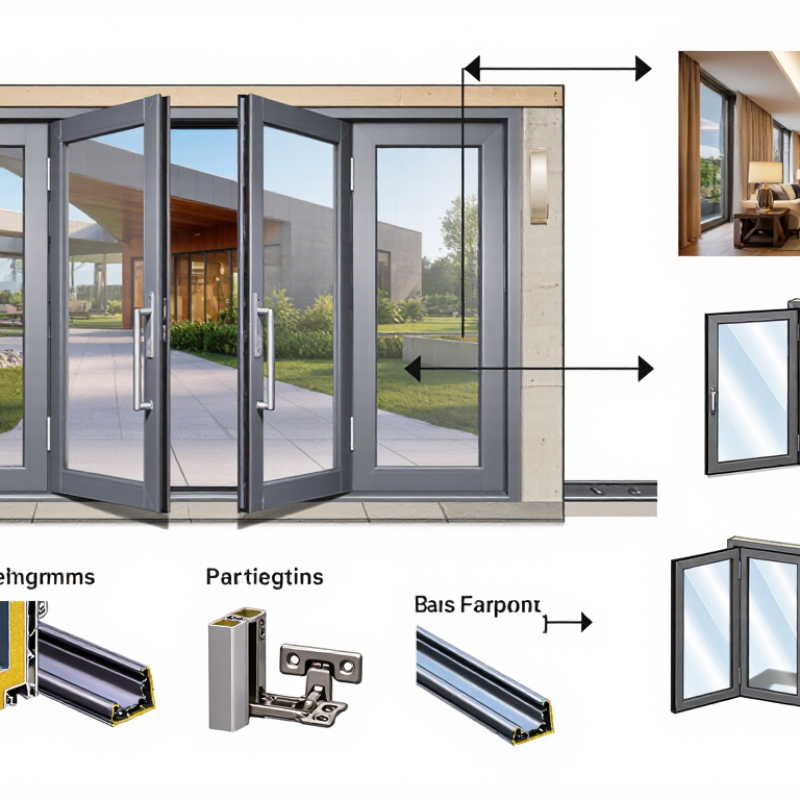
2026 Top Heavy Duty Aluminum Bi Fold Doors Buyers Guide

What Are Heavy-Duty Aluminum Bi-Fold Doors?

2026 Top Heavy Duty Aluminum Bi Fold Doors Buyers Guide

What Are Heavy-Duty Aluminum Bi-Fold Doors?

Heavy-duty aluminum bi-fold doors are large folding systems built for wide openings and frequent daily use. Hinged panels fold and stack beside the opening, creating a broad connection between indoor and outdoor areas. Compared with standard patio doors, they use stronger aluminum profiles, reinforced hinges, durable rollers, and multi-point locking hardware. That strength matters. Some systems can support several large glass panels, but their exact capacity depends on panel size, glass weight, hardware quality, and installation accuracy.

From site inspections, I find the frame is only one part of performance. Thermally broken aluminum profiles can reduce heat transfer across the frame. High-quality gaskets help limit drafts and rain penetration. Stainless steel rollers often perform better in damp or coastal environments. A level threshold is essential for smooth movement. Even a small floor error can make panels drag or shift. Drainage channels also need clear paths, not decorative gaps that collect dirt.

Heavy-duty does not automatically mean better. A thicker frame may increase weight and reduce thermal efficiency. Large glass panels can also demand stronger support than expected. Buyers should check tested air, water, wind, and operating performance, not only advertised load figures. Certified installers should verify wall structure, opening dimensions, drainage, and local building requirements. I would measure the opening twice, then question the result once more. Mistakes happen, especially when a beautiful door is ordered before the surrounding structure is ready.

Key Components, Designs, and Performance Specifications

Heavy duty aluminum bi-fold doors depend on more than a thick-looking frame. The alloy, wall thickness, and corner joints control structural stability. A thermally broken frame reduces heat transfer through the aluminum. Look for corrosion-resistant rollers, adjustable hinges, stainless steel fixings, and replaceable weather seals. These parts face daily movement, dust, moisture, and uneven thresholds.

Design should match the opening and its use. Four-panel systems suit moderate widths, while more panels can reduce individual sash weight. In large openings, each panel still needs controlled support. Low-profile tracks improve access but demand accurate drainage and installation. Double or laminated glazing can improve security, sound control, and indoor comfort. Check the glass thickness, spacer design, and visible sightline before ordering.

Performance specifications should be measurable, not decorative language. Ask for tested air leakage, water resistance, wind-load pressure, thermal transmittance, and operating-cycle results. Confirm the test size matches your proposed door.

It matters.

A small laboratory sample may not represent a wide entrance exposed to strong wind. Site surveys should record opening dimensions, floor levels, drainage paths, and fixing substrates. I have seen excellent door systems perform poorly because the threshold was slightly out of level. The specification was sound, but the installation was not.

Buyers should also question repair access, spare component availability, and long-term adjustment procedures. Cost alone cannot reveal reliability.

How to Choose the Right Door Size and Configuration

Choosing a heavy-duty aluminum bi-fold door starts with the opening, not the catalog. Measure width, height, plumb, level, and finished floor at three points. Record the smallest dimension. A 3,600 mm opening may become 3,570 mm after framing, insulation, and interior finishes. That difference can disrupt panel alignment. I measure twice, then question both measurements. Real sites are rarely perfect.

For everyday access, a two-panel configuration is simple and light to operate. Wider openings often need three, four, or six panels, but each added panel increases hardware load and stacking depth. Keep the active traffic leaf near the handle side. An odd panel count can create a cleaner opening, though the meeting stile may land awkwardly. Check clear passage, not nominal width. A 4,800 mm system with six 800 mm panels does not deliver 4,800 mm of usable access.

Confirm structural span and fixing before selecting glass. Aluminum frames are strong, but the header and surrounding wall must carry the assembly. The U.S. Department of Energy estimates windows account for 25–30% of residential heating and cooling energy use. Use NFRC-certified U-factor and SHGC data, then compare air leakage and water resistance tested under AAMA/WDMA/CSA 101/I.S.2/A440. Specify a low threshold only when drainage and accessibility requirements allow it. A beautiful configuration can fail if wind exposure, sill drainage, or furniture clearance was ignored. Get a site-specific shop drawing. Don’t rely on a brochure alone.

Installation Requirements and Operating Considerations

Installation begins with the opening, not the door. A structural engineer should verify the header, jambs, and fixing points for panel weight and wind pressure. ASCE 7 wind-load methods help establish design pressures for the project location. Heavy-duty panels still need accurate support.

The sill must be level within the installer’s specified tolerance. Even small errors can make the rollers drag. Provide continuous drainage, a sloped sill, and compatible flashing beneath the frame. ASTM E2112 guidance supports careful integration with the surrounding wall. Sealant alone is not a drainage system. That mistake is common.

NFRC ratings help buyers compare U-factor, solar heat gain, and air leakage under consistent test conditions. The U.S. Department of Energy estimates windows account for about 25–30% of residential heating and cooling energy use. Large glazed doors can influence comfort significantly. Check the tested assembly, not only the glass.

Before handover, cycle every panel repeatedly. Confirm smooth stacking, stable handles, equal gasket compression, and secure locking. Keep the track free from plaster dust and metal filings. A soft brush works better than aggressive scraping. In my experience, installers often adjust the rollers too early. The frame may still settle after finishing work. Recheck alignment after temperature changes. Aluminum expands and contracts, so a door that feels perfect at noon may bind later. Allow service access around rollers and hardware. Ten minutes of maintenance planning can prevent an expensive panel removal.

Maintenance, Safety Standards, and Long-Term Value

2026 Top Heavy Duty Aluminum Bi Fold Doors Buyers Guide

Maintenance begins with water management. Inspect tracks every three months, especially after heavy rain. Remove grit with a soft brush, then wipe the drainage channels clean. Avoid abrasive cleaners; they can dull powder-coated surfaces. A maintenance log helps, although many owners skip it until rollers start dragging. That delay increases repair costs.

Safety depends on tested performance, not frame thickness alone. Ask for documented results under ASTM E283 for air leakage, ASTM E331 for water penetration, and ASTM E330 for structural pressure. These tests reflect real installation risks, including wind-driven rain and frame movement. Safety glazing should comply with CPSC 16 CFR 1201 where required. Local building officials may require additional emergency-exit or guardrail provisions. Check before ordering.

Long-term value also depends on thermal design and serviceability. The U.S. Department of Energy reports that windows can represent 25–30% of household heating and cooling energy use. Thermally improved aluminum frames, properly sealed glass, and accurate installation can reduce unwanted heat transfer. Still, energy savings vary by climate, glass choice, shading, and installer quality. Replaceable rollers, accessible adjustment points, and compatible seals matter more than a glossy brochure. Choose verified test documents. Not promises. A careful buyer should also request warranty exclusions, drainage details, and the expected replacement interval for moving hardware.

FAQS

What makes a heavy-duty aluminum bi-fold door structurally reliable?

Alloy quality, frame thickness, corner joints, and fixing strength all matter. Thick frames alone prove very little.

How does a thermally broken frame improve indoor comfort?

It reduces heat transfer through the aluminum frame. This can help rooms feel less cold near the doorway.

How should I measure the opening before ordering?

Measure width, height, plumb, level, and floor height at three points. Record the smallest measurement.

How many panels should a bi-fold door have?

Two panels suit simple, narrower access. Wider openings may need three, four, or six panels.

What should I check before choosing a low threshold?

Confirm drainage, accessibility, floor levels, and local installation conditions. A low profile can improve access.

What structural support does a large bi-fold door require?

The header, jambs, and surrounding wall must carry the frame, glass, and operating loads.

What installation details prevent rollers from dragging?

Keep the sill level within the specified tolerance. Provide continuous drainage, a sloped sill, and compatible flashing.

Which performance specifications should buyers request?

Request tested air leakage, water resistance, wind pressure, thermal transmission, and operating-cycle results.

How should the door be checked before handover?

Cycle every panel repeatedly. Check smooth stacking, stable handles, equal gasket compression, and secure locking.

What maintenance planning should be included?

Keep service access around rollers and hardware. Ask about replacement parts and future adjustment procedures.

Conclusion

This 2026 buyer’s guide explains how Heavy Duty Aluminum Bi-Fold Doors combine strong aluminum framing, durable hardware, insulated panels, and flexible folding designs to create wide, practical openings. It covers key performance specifications, including load capacity, thermal efficiency, weather resistance, glazing options, security features, and smooth operating systems. Readers will also learn how different configurations, panel counts, opening directions, thresholds, and custom dimensions affect usability and appearance.

Choosing the correct door requires careful attention to structural support, clear opening measurements, floor levelness, drainage, and installation tolerances. The guide also highlights operating considerations such as panel alignment, hardware adjustment, safe handling, and regular cleaning. By following suitable maintenance practices and recognized safety standards, property owners can reduce wear, improve reliability, and extend service life. With proper planning, Heavy Duty Aluminum Bi-Fold Doors can provide long-term value for residential, commercial, and industrial spaces.

Elara

Elara

Elara is a dedicated marketing professional with a strong understanding of product strategy, customer needs, and market trends. As a regular contributor to the company’s professional blog, Elara shares clear, practical, and insightful articles that help readers better understand the products,......