0%

Street noise can slip through a double hung window in places that are easy to miss: the meeting rail, sash edges, and narrow gaps around the frame. Soundproof Double Hung Windows is less about one magic product and more about finding the weak points. A loose sash may rattle when a bus passes. A thin pane can make traffic seem close, even with the window shut. Small gaps matter.

This 2026 guide introduces practical ways to reduce that noise, from checking weatherstripping and locking alignment to considering interior window inserts or glazing upgrades. Each option works differently, and results depend on the window’s condition, installation, and the type of noise outside. Start with a careful inspection. Run a hand near the closed sash on a windy day, and listen for rattles around the meeting rail. Do not seal moving parts with permanent materials; the window still needs to open and close safely.

Simple fixes may help with air leaks, while heavier upgrades can be more useful for persistent traffic or construction noise. Yet no ordinary retrofit makes a window completely silent. And, honestly, some costly changes may bring only modest improvement in a particular home. This overview explains what to check, which solutions to compare, and when professional assessment may be worthwhile, so expectations stay realistic and the work fits the actual problem.
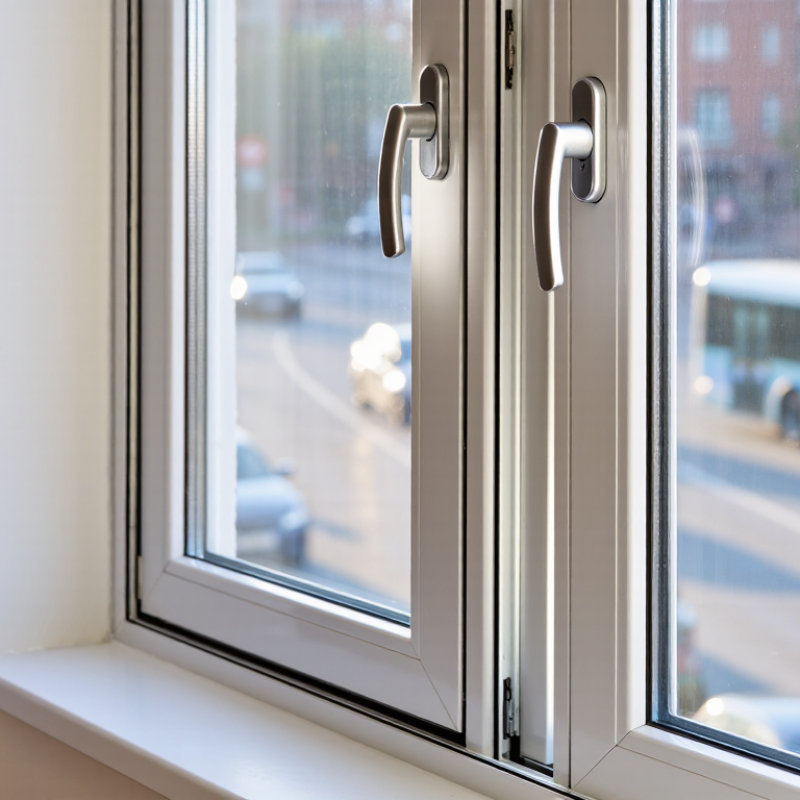
How to Soundproof Double Hung Windows in 2026?

How Double-Hung Windows Transmit Noise

Double-hung windows can leak sound through more than the glass. Airborne noise slips through gaps around the sash, especially where the two panels meet or slide in their tracks. The meeting rail, worn weatherstripping, and loose locks can leave tiny openings. Sound also vibrates the glass and frame; low-frequency traffic rumble is particularly difficult to block. A heavier pane may help, but it cannot fix a leaky perimeter.

The Efficient Windows Collaborative’s technical guidance places many single-pane windows around STC 26–28 and conventional double-pane units around STC 28–32. STC is a laboratory rating, not a promise of the same quiet in every home. ASTM E90 measures sound transmission in a controlled test; installation gaps and room conditions change real-world results. Even a small crack matters. It gives sound an easier route than the glass itself.

Tips: With the window closed, slowly move a strip of tissue around the sash and meeting rail; movement can reveal an air leak. Replace compressed seals, adjust the sash lock, and seal stationary frame joints with suitable acoustic sealant. Don’t seal moving tracks shut. I would check the balance and fit before adding interior inserts—otherwise, a neat-looking fix may leave the main sound path untouched.

Inspect the Sashes, Tracks, and Frame for Sound Leaks

With the sash closed, move slowly around the window and listen for a narrow hiss. Check where the two sashes meet, then inspect the side tracks, meeting rail, and frame corners. A thin strip of tissue can reveal moving air on a breezy day. Look for flattened weatherstripping, cracked caulk, paint buildup, and uneven gaps. Small leaks matter. But a draft test cannot measure sound reduction.

The U.S. Department of Energy’s Energy Saver guidance estimates that windows account for 25–30% of residential heating and cooling energy use. That figure concerns energy, not noise, but it underscores why leaky joints deserve attention. For acoustic performance, compare whole-window test reports using ASTM E90 and E413 methods; glass-only figures may not reflect sound passing through tracks or frame joints. Press each sash gently into its seal and note whether the gap changes. Don’t force it. If the frame is out of square, added sealant may hide the symptom without fixing the fit. Inspect carefully before choosing repairs; the weakest seam is easy to overlook.

Seal Gaps with Weatherstripping and Acoustic Caulk

How to Soundproof Double Hung Windows in 2026?

Small gaps matter. On a double-hung window, check the meeting rail, side jambs, and frame-to-trim seams. On a windy day, move a tissue slowly around these areas; fluttering can reveal air leaks. Clean and dry the surfaces before adding materials. Fit compressible weatherstripping where the sash moves, choosing a thickness that seals without making the window hard to close or lock. Measure each side carefully. A rushed, uneven strip can leave tiny channels for sound.

Use acoustic caulk only on stationary cracks, such as gaps between the window frame and interior trim. It stays flexible as the building shifts, but it should not cover sash tracks or moving joints. Apply a narrow, continuous bead, then smooth it before it skins over. Follow the product’s curing directions before testing the window. Sealing leaks can reduce traffic noise, especially higher-pitched sounds, but it will not make thin glass silent. I’ve seen people caulk moving seams by mistake; removing that bead can be frustrating.

Tips: Close the sash and check that the weatherstripping compresses evenly. Replace loose or flattened material rather than layering more over it. Keep a small sample of the old strip when shopping for a matching profile. If the sash still rattles, the fit may need adjustment.

Add Window Inserts or Layered Treatments for More Sound Control

How to Soundproof Double Hung Windows in 2026?

A well-fitted interior window insert can reduce sound more reliably than curtains alone. It creates a second barrier, while its sealed edges limit sound leaks around the sash. On a double hung window, check that the insert sits evenly against the frame and does not obstruct either moving sash. A narrow gap or loose corner matters. Measure carefully; I would test one window before ordering inserts for the whole house.

Layered treatments can help too. Pair a lined, heavy curtain with an insert, and extend the curtain beyond the frame to cover side gaps. Fabric can soften sharper sounds inside the room, but it usually does little against deep traffic rumble. The World Health Organization’s 2018 Environmental Noise Guidelines recommend road-traffic exposure below 53 dB Lden and 45 dB Lnight. These are outdoor benchmarks, not promised indoor results. For product comparisons, look for laboratory sound-transmission data tested to ASTM E90 and classified under ASTM E413.

Installation details are easy to underestimate. Close and latch both sashes, then inspect the meeting rail and perimeter seals for visible gaps. A removable insert may be less convenient to clean, and curtains can block daylight or interfere with window access. I would not judge performance by thickness alone. Ask for test data and confirm the tested assembly resembles your window’s glass, frame, and air gap.

How to Soundproof Double Hung Windows in 2026? — Add Window Inserts or Layered Treatments for More Sound Control

Solution How It Helps Sound-Control Potential Installation & Operation Best For
Interior window insert Adds a separate interior pane and an air space; a well-sealed perimeter helps limit sound leaks. Often a strong retrofit option. Results depend on the insert, air gap, existing window, and airtight fit. Usually removable; confirm the sash can still be operated or accessed as needed. Street noise and other persistent exterior sounds when retaining the existing window is preferred.
Secondary glazing Creates a second window layer with a larger separation from the original glazing. Can provide substantial improvement when designed and sealed for the opening; performance varies by system and installation. More involved than a simple treatment; plan for access, cleaning, and ventilation. Rooms with frequent or high-level noise where a more permanent added layer is practical.
Sash and frame weatherstripping Reduces air gaps around moving sash sections, meeting rails, and frame edges. Useful for sound entering through leaks; it does not add a second glazing layer or block all sound through the glass. Choose material compatible with sash movement and avoid obstructing locks or drainage paths. Drafty windows, rattling sash, and noise concentrated around frame gaps.
Heavy curtains or drapes Adds a soft layer that can absorb some sound inside the room and soften reflections. Typically a modest complement, not a substitute for sealing gaps or adding a separate glazing layer. Hang with full coverage beyond the window edges; keep the treatment clear of heaters and required egress paths. Reducing room harshness while adding privacy and light control.
Cellular shades Their cellular construction can help absorb some indoor sound and improve insulation. Usually limited for blocking exterior noise; fit and coverage affect results. Measure carefully for inside- or outside-mount coverage; maintain access to window hardware. Combining light control and insulation with other sound-control measures.
Layered approach Combines leak sealing with an insert or secondary glazing; curtains or shades can be added for room comfort. Addresses more than one sound path. The overall result depends on the weakest remaining leak or building element. Check sash operation, ventilation, moisture, and emergency egress after installation. A balanced upgrade when one measure alone does not provide enough control.

Note: Sound-control results vary with the window’s condition, glass construction, air gaps, installation quality, and sound frequency. Seal obvious leaks first. For product comparisons, look for independently tested acoustic ratings and confirm that ratings apply to the complete window or insert assembly.

Compare Soundproofing Upgrades with Window Replacement

How to Soundproof Double Hung Windows in 2026?
Compare Soundproofing Upgrades with Window Replacement

A double-hung window can let noise through its meeting rail, sash edges, and frame gaps. Before replacing it, check where sound seems strongest. On a windy day, a thin strip of tissue near the sash can reveal air movement. Small gaps matter. New weatherstripping, adjusted sash locks, and careful caulking around the frame may reduce drafts and some street noise. These upgrades usually cost less and keep the existing window, but they cannot fix thin glass or a poorly fitted frame.

A removable interior storm panel adds another sealed layer, creating an air space that can soften outside noise. Laminated glass may help with certain sounds, though performance depends on the whole window assembly, not just the glass. Low-frequency traffic rumble can remain stubborn. Not always. Results vary with installation quality, window condition, and the noise itself. Even a well-sealed window will not make a busy street silent.

Replacement makes more sense when the sash is damaged, the frame leaks badly, or repairs have repeatedly failed. A properly installed unit with suitable acoustic glazing can improve sound control, but installation gaps may undermine the upgrade. Ask contractors how they handle the opening, seals, and glazing, and compare written performance details. I would not promise a dramatic change from any single fix; sometimes a modest repair helps, and sometimes it disappoints.

FAQS

Where should I check for sound leaks on a double-hung window?

Check the meeting rail, sash edges, side jambs, and frame-to-trim seams. Small gaps matter.

How can I find air leaks around the window?

On a windy day, move a tissue slowly near the seams. Watch for fluttering. It is a simple clue, not a perfect test.

Where should weatherstripping go?

Fit compressible weatherstripping where the sash moves. Choose a thickness that seals evenly without making the window hard to close or lock.

Can I use acoustic caulk on moving window joints?

No. Use it on stationary cracks, such as gaps between the frame and interior trim. Keep sash tracks and moving joints clear.

How can I apply acoustic caulk neatly?

Clean and dry the surface, then apply a narrow, continuous bead. Smooth it before it skins over, and follow the curing directions.

Will sealing gaps make street noise disappear?

Sealing may reduce drafts and some higher-pitched traffic sounds. Thin glass can still pass noise. I would not promise silence.

Can an interior storm panel help?

A removable interior panel adds a sealed layer and an air space. It may soften outside noise, though results depend on fit and installation.

When should I consider replacing the window?

Replacement may make sense if the sash is damaged, the frame leaks badly, or repairs keep failing. Ask how the opening and seals will be handled. A good window can disappoint if installation gaps remain.

Conclusion

Soundproof Double Hung Windows by first understanding how their design can allow noise to pass through. The movable sashes, tracks, meeting rails, and surrounding frame may develop small gaps as windows age or shift. Inspecting these areas helps identify where sound is entering and which improvements are likely to help most.

For a practical first step, apply suitable weatherstripping to moving sections and acoustic caulk to stationary gaps around the frame. If more sound control is needed, consider adding a window insert or layered treatments such as heavy curtains. Compare these upgrades with full window replacement by weighing their expected noise reduction, cost, installation effort, and the condition of the existing windows. A careful inspection and a combination of targeted improvements can make a room quieter without automatically requiring replacement.

Elara

Elara

Elara is a dedicated marketing professional with a strong understanding of product strategy, customer needs, and market trends. As a regular contributor to the company’s professional blog, Elara shares clear, practical, and insightful articles that help readers better understand the products,......