0%

Storm Proof Aluminum Awning Windows are designed to provide ventilation and protection during severe weather. Their top-hinged sash opens outward, allowing airflow while reducing direct rain entry. Aluminum frames offer strength, corrosion resistance, and a clean architectural appearance. However, “storm proof” does not mean indestructible.

In practice, performance depends on the complete window system. This includes the frame, glass, seals, hinges, locks, fasteners, and surrounding wall. Impact-rated laminated glass can help resist windborne debris. Reinforced frames can reduce movement under pressure. Proper installation remains essential. A strong window can still fail when the rough opening is poorly sealed or inadequately anchored.

Look for documented air, water, structural, and impact testing. Product labels and verified performance ratings provide more reliable guidance than marketing language. Coastal exposure also deserves careful attention. Salt air, driving rain, and repeated temperature changes can challenge finishes and hardware over time. Regular cleaning and inspection may extend service life.

Details matter.

A qualified installer should review local wind conditions, building requirements, and the existing wall structure. I would not choose a window based on appearance alone. That assumption is incomplete. The best solution balances tested performance, ventilation needs, maintenance demands, and budget. This guide explains how Storm Proof Aluminum Awning Windows work, where they perform well, and which limitations deserve honest consideration before purchase.
What Is a Storm Proof Aluminum Awning Window?

Definition and Basic Design of a Storm-Proof Aluminum Awning Window

What Is a Storm Proof Aluminum Awning Window?

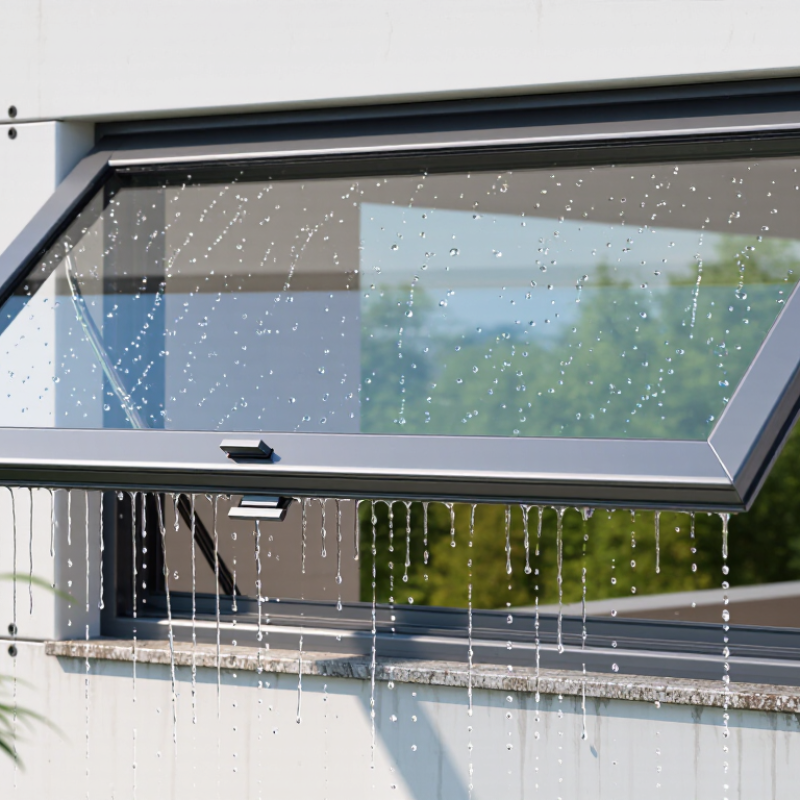
A storm-proof aluminum awning window is hinged along its top edge. Its lower section pushes outward for ventilation. This design helps keep rain outside, even when the window is slightly open. The aluminum frame provides a rigid, lightweight structure around the glass. It also resists swelling, insects, and many forms of corrosion when properly finished.

The basic design includes weather seals, strong hinges, locking points, and a sloped sill for drainage. Storm-resistant models may use laminated or impact-rated glass, but “storm-proof” does not mean indestructible. Performance depends on glass thickness, frame construction, installation quality, and approved regional standards. A poorly fitted window can leak through small gaps. That detail is easy to overlook.

Tips: Check the window’s tested pressure rating before purchase. Examine the seals for continuous contact around the frame. The sash should close evenly without force. Ask a qualified installer about wall anchoring and drainage. Clean aluminum surfaces with mild soap, soft water, and a non-abrasive cloth. Harsh cleaners may damage protective finishes. A small maintenance schedule helps, although it will not correct poor installation.

What Is a Storm-Proof Aluminum Awning Window?

A storm-proof aluminum awning window is a top-hinged window that opens outward from the bottom and is designed as part of a tested system for resistance to wind, water, and impact. Its basic design commonly combines an aluminum frame, compression seals, secure locking points, and impact-rated glazing where required. “Storm-proof” is not a universal performance rating, so the complete window assembly must be tested and approved for its intended location.

The chart shows the minimum sustained wind speed for each category in the Saffir–Simpson Hurricane Wind Scale. These values describe the wind environment, not the rating of a specific window. Actual storm performance depends on the tested frame, glass, hardware, installation, and local building requirements.

Key Materials and Structural Components

What Is a Storm Proof Aluminum Awning Window?
Key Materials and Structural Components

A storm-proof aluminum awning window depends on a coordinated system, not one tough material. The frame usually uses corrosion-resistant aluminum alloy. Aluminum keeps the profile rigid and relatively light. However, metal can transfer heat quickly. A thermal break, often made from reinforced polymer, reduces that weakness. Powder-coated or anodized surfaces add protection against moisture and coastal air.

The glazing is equally important. Laminated impact glass contains a tough interlayer that holds broken pieces together. Insulating glass may add a second pane and improve temperature control. The sash needs reinforced corners, sturdy hinges, and a dependable operator. Multi-point locks pull the sash evenly against the frame. Compression gaskets around the perimeter limit wind-driven rain. Small drainage channels guide water toward exterior weep openings.

In field inspections, I pay close attention to fasteners and anchoring. A strong window can still fail when the surrounding wall is weak. Stainless or suitably protected screws help resist corrosion. Proper shims keep the frame square during installation. Sealant must bridge the frame and wall without blocking drainage paths. “Storm proof” should not mean indestructible. Performance depends on tested design, installation quality, maintenance, and local exposure. Even a minor gap deserves attention. I inspect hinges, locks, seals, and weep holes before severe weather arrives.

What Is a Storm Proof Aluminum Awning Window? - Key Materials and Structural Components
Category Component or Material Typical Specification Structural or Weather-Resistance Function Important Verification Point
Frame System Aluminum Frame and Sash Extruded aluminum, commonly 6000-series alloys such as 6063, with wall thickness often about 1.4–2.0 mm for residential systems. Thermal-break frames may include a polyamide insulating strip. Provides the primary load-bearing structure, supports the glazing, and resists deformation caused by wind pressure and repeated operation. Check alloy temper, wall thickness, corner construction, thermal-break design, and tested deflection performance.
Glazing Laminated Safety Glass Common configurations include 6.38 mm laminated glass, consisting of two 3 mm glass plies with a 0.38 mm interlayer, or thicker assemblies for higher design pressures. Helps resist impact from windborne debris and remains bonded after breakage, reducing the risk of an open breach in the building envelope. Confirm the glass make-up, interlayer type, impact classification, thickness, and compatibility with the tested window assembly.
Insulating Glazing Double-Glazed Unit Two panes separated by an air or argon-filled cavity, commonly using a 12–16 mm spacer gap. Laminated glass may be used on the exterior or interior pane. Improves thermal insulation, reduces condensation risk, and can improve acoustic performance compared with single glazing. Review cavity width, spacer material, edge-seal quality, gas fill, and the window's whole-unit thermal rating.
Glass Retention Glazing Bead and Setting Blocks Mechanical glazing beads with elastomeric gaskets and compatible setting blocks positioned according to the system design. Transfers glass loads into the sash, maintains edge clearance, and helps prevent glass movement during pressure cycling or impact. Ensure the bead is mechanically secured and that gasket compression is continuous around the full glazing perimeter.
Sealing System EPDM, Silicone, or TPE Gaskets Continuous weather seals are commonly made from EPDM, silicone, or thermoplastic elastomers. Typical compression is controlled by the profile geometry rather than by a single universal value. Limits air leakage and water penetration at the glass-to-sash and sash-to-frame interfaces while allowing controlled movement. Check seal continuity, corner joints, compression, ultraviolet resistance, and compatibility with cleaning agents and finishes.
Operating Hardware Awning Operator, Hinges, and Arms Corrosion-resistant stainless steel or coated metal hardware, with casement-style friction stays or concealed operators sized for the sash weight. Controls the outward opening motion, keeps the sash aligned, and transfers wind and operating loads to the frame. Confirm hardware load capacity, corrosion resistance, fastener engagement, opening limiters, and emergency egress requirements where applicable.
Locking System Multi-Point Locking Mechanism One or more locking points located along the meeting rail or perimeter, operated by a handle, lever, or gear mechanism. Pulls the sash evenly against the perimeter gasket, reducing air and water leakage and improving resistance to pressure-induced sash movement. Check the number and location of locking points, keeper engagement, handle torque, and resistance to forced entry.
Drainage Sloped Sill and Weep System Internal sill chambers with outward-facing weep holes and baffles. Drainage paths must remain open and correctly sized for the tested system. Collects incidental water that passes the outer seal and directs it safely to the exterior without allowing water to enter the interior. Confirm unobstructed weep openings, sill slope, end dams, flashing integration, and proper installation clearance.
Frame Joints Mechanically Joined or Welded Corners Corners may use crimped, screwed, cleated, or welded construction, often supplemented with sealant and internal corner keys. Maintains frame geometry and transfers wind loads around the perimeter while helping prevent corner leakage. Inspect corner alignment, fastener placement, sealant continuity, and evidence that the complete joint design was tested.
Fasteners Corrosion-Resistant Screws and Anchors Stainless steel or suitably coated fasteners selected for the substrate, exposure level, and required load. Fastener spacing is project- and system-specific. Secures the window to the surrounding wall and transfers wind pressure and suction loads into the building structure. Verify fastener type, embedment, spacing, edge distance, substrate strength, and isolation from incompatible metals.
Installation Interface Perimeter Flashing, Backer Rod, and Sealant A compatible sill pan or flashing system, low-expansion insulating foam where appropriate, backer rod, and elastomeric exterior sealant. Connects the window to the wall's water-resistive barrier and limits air, water, and thermal leakage around the rough opening. Follow the tested installation method and maintain positive drainage to the exterior; sealant alone should not replace proper flashing.
Performance Rating Wind, Water, Air, and Impact Testing A storm-capable window should have documented results for applicable regional building-code tests, such as structural pressure, air infiltration, water penetration, and, where required, large- or small-missile impact. Demonstrates that the complete window assembly—not only the aluminum frame or glass—can perform under defined environmental loads. Request the product's test report, design pressure, size limitations, impact classification, and installation conditions. Ratings are not universal.
Coating and Durability Anodized or Powder-Coated Aluminum Finish Exterior-grade anodizing or powder coating applied to prepared aluminum surfaces, with thickness, adhesion, color retention, and corrosion performance specified by the applicable finish standard. Protects the aluminum from oxidation and weathering while providing the desired exterior appearance. Confirm coating class, surface preparation, coastal exposure suitability, drainage around dissimilar metals, and warranty conditions.
Engineering note: “Storm proof” is not a universal performance rating. The required materials, glass thickness, hardware, fastener pattern, design pressure, and impact protection level depend on the building location, opening size, exposure category, local code, and the tested configuration of the complete window assembly.

How Storm Protection and Weather Resistance Work

The phrase storm proof can mislead. No residential window defeats every storm. A storm proof aluminum awning window is designed to reduce damage during severe weather. Its top-hinged sash opens outward from the bottom. This design helps direct rain away when slightly opened. When fully closed, compression seals press tightly against the frame. They limit wind-driven rain, dust, and unwanted drafts.

Storm protection depends on more than aluminum. Impact-rated laminated glass can resist flying debris better than ordinary glass. Reinforced corners and sturdy locking points help the sash stay secured under pressure. The frame must also transfer wind loads into the surrounding wall. That connection is often overlooked. A strong window can still fail when installation is weak.

Weather resistance requires careful testing. Look for documented air, water, structural, and impact performance from recognized testing procedures. Local building requirements may also differ by storm exposure. A qualified installer should check rough openings, fasteners, flashing, and drainage paths. Small gaps around the frame can invite moisture. Keep weep holes clear and inspect seals after harsh weather. Aluminum does not rot, but scratched coatings may eventually corrode, especially near saltwater. I have found that maintenance is less dramatic than replacement, though it is easy to postpone.

“Storm proof” sounds absolute; “storm resistant when correctly rated, installed, and maintained” is more accurate.

Installation Requirements and Operating Considerations

A storm-proof aluminum awning window must be installed as a tested system, not treated as an ordinary replacement window. The opening should match the approved rough-opening dimensions, with a level sill, square corners, corrosion-resistant fasteners, and continuous flashing. In coastal or hurricane-prone areas, confirm the required design pressure and impact rating under local building codes. ASTM E1886 and E1996 testing evaluates impact resistance and repeated wind-pressure cycles. A high rating is meaningless if the wall connection is weak.

Installation quality also affects energy performance. The U.S. Department of Energy reports that windows can cause 25%–30% of residential heating and cooling energy use. Seal the perimeter carefully, but keep drainage paths open. NFRC labels provide U-factor, solar heat gain coefficient, visible transmittance, and air-leakage information. Aluminum frames conduct heat quickly, so thermal breaks and correct drainage matter. Condensation may still appear in humid weather. That possibility deserves attention.

Tips: Operate the awning sash only after checking that no objects block its outward path. Do not force the handle during strong wind. Inspect gaskets, hinges, screens, and sealant twice yearly. Fasteners should be checked after the first major storm, although this simple step is often missed. A perfect installation is difficult; careful documentation, photographs, and a final water test make defects easier to find.

Benefits, Limitations, and Common Applications

What Is a Storm Proof Aluminum Awning Window?

A storm proof aluminum awning window uses a top-hinged sash that opens outward. Its frame may include reinforced corners, impact-resistant glass, locking points, and weather seals. “Storm proof” is not an unlimited promise. Performance depends on tested pressure, water resistance, windborne-debris certification, and installation quality. ASTM E1886 and ASTM E1996 are common references for impact testing in hurricane-prone regions. Local building officials still determine the required rating.

Benefits include strong aluminum frames, narrow sightlines, and reliable ventilation during light rain. The outward-opening sash can direct airflow while reducing direct water entry. The U.S. Department of Energy reports that windows can account for about 25% to 30% of residential heating and cooling energy use. Thermal breaks and low-emissivity glazing can reduce this burden, although aluminum remains highly conductive without proper insulation. Small details matter.

Limitations deserve equal attention. Hinges and locks need inspection after severe weather, especially where salt air causes corrosion. A damaged seal can admit water long before the glass visibly fails. Awning windows also require exterior clearance, which may conflict with shutters, walkways, or narrow balconies. They commonly suit coastal homes, bathrooms, kitchens, utility rooms, and multifamily renovations. NOAA’s 1991–2020 climate normals identify 14 named Atlantic storms and seven hurricanes annually, but local exposure varies sharply. That average should not replace a site-specific wind assessment. In practice, installers sometimes overstate “storm proof.” Verify the product label, laboratory report, design pressure, and fastening schedule.

FAQS

What is a storm-resistant aluminum awning window?

It uses an aluminum frame, reinforced glazing, strong hardware, seals, and drainage paths. It resists severe weather when correctly rated and installed.

Why does the frame use aluminum alloy?

Aluminum provides a rigid, lightweight structure. However, it transfers heat quickly, so a thermal break can improve insulation.

What type of glass improves storm protection?

Laminated impact glass contains an interlayer that holds cracked pieces together. It can resist flying debris better than ordinary glass.

How does an awning window limit wind-driven rain?

Its top-hinged sash opens outward from the bottom. When closed, compression gaskets press tightly against the frame.

What keeps the sash secure during strong winds?

Reinforced corners, sturdy hinges, reliable operators, and multi-point locks help distribute pressure across the sash.

Can a strong window fail because of the wall?

Yes. Weak anchoring, poor shims, or an unstable rough opening can undermine the entire window system.

What should installers check during installation?

They should verify the rough opening, fasteners, shims, flashing, sealant, and drainage paths. Sealant must not block weep openings.

How should the window be maintained before severe weather?

Inspect hinges, locks, gaskets, coatings, and weep holes. Remove dirt from drainage channels. Small gaps deserve attention.

Does aluminum prevent all corrosion?

No. Aluminum resists rot, but scratched coatings may corrode, especially near saltwater. Surface damage should not be ignored.

Does “storm proof” mean the window is indestructible?

No. A more accurate description is storm-resistant when tested, properly installed, and maintained. That distinction matters.

Conclusion

Storm Proof Aluminum Awning Windows are top-hinged windows designed to open outward while providing enhanced protection against strong wind, heavy rain, and airborne debris. Their main structure typically combines corrosion-resistant aluminum frames, reinforced hinges, durable glazing, weather seals, and secure locking hardware. Together, these components create a stable window assembly that supports ventilation without sacrificing resistance to demanding weather conditions.

Storm protection works through the strength of the frame, secure fastening points, impact-resistant glass or protective glazing, and tightly compressed seals that help limit water and air infiltration. Proper installation is essential and may require accurate measurements, reinforced wall connections, correct drainage, and professional adjustment. Users should also operate and maintain the windows carefully, especially before severe weather. Benefits include durability, improved ventilation, energy efficiency, and suitability for coastal homes, residential buildings, and other exposed locations. However, they may cost more than standard windows, require stronger installation support, and still have performance limits under extreme conditions.

Ethan

Ethan

Ethan is a professional marketing specialist dedicated to helping customers better understand our company’s products, services, and industry expertise. With a strong background in market research, content strategy, and customer communication, he combines technical knowledge with clear, practical......