0%

Choosing among the top Aluminum Casement Windows manufacturers and suppliers requires more than comparing prices. The right decision affects daylight, ventilation, energy use, security, and long-term maintenance. A slim aluminum frame may look impressive in a showroom. However, poor installation can still create drafts, water leaks, and uncomfortable interior temperatures.

Stephen Selkowitz, a respected building-performance expert, has emphasized, “A window is only as good as its installation.” That principle guides this industry overview. It encourages buyers to examine thermal breaks, glass specifications, drainage design, hardware quality, warranties, and production consistency. Supplier experience also matters, especially for projects facing strong coastal winds, heavy rain, or frequent temperature changes.

Details reveal the difference.

A reliable manufacturer should explain its testing methods clearly. Look for documented air leakage, water penetration, structural performance, and thermal results. Certifications can support trust, but they should not replace practical evaluation. Ask how the company handles custom dimensions, replacement parts, delivery delays, and damaged units. These questions may feel inconvenient. They often prevent expensive surprises later.

This guide compares leading manufacturers and suppliers through performance, design flexibility, manufacturing capability, service, and value. It also recognizes an imperfect reality: no single window suits every building. The best choice depends on climate, wall construction, opening size, budget, and installation skill. A beautiful product can still fail in the wrong application. Careful selection remains essential.
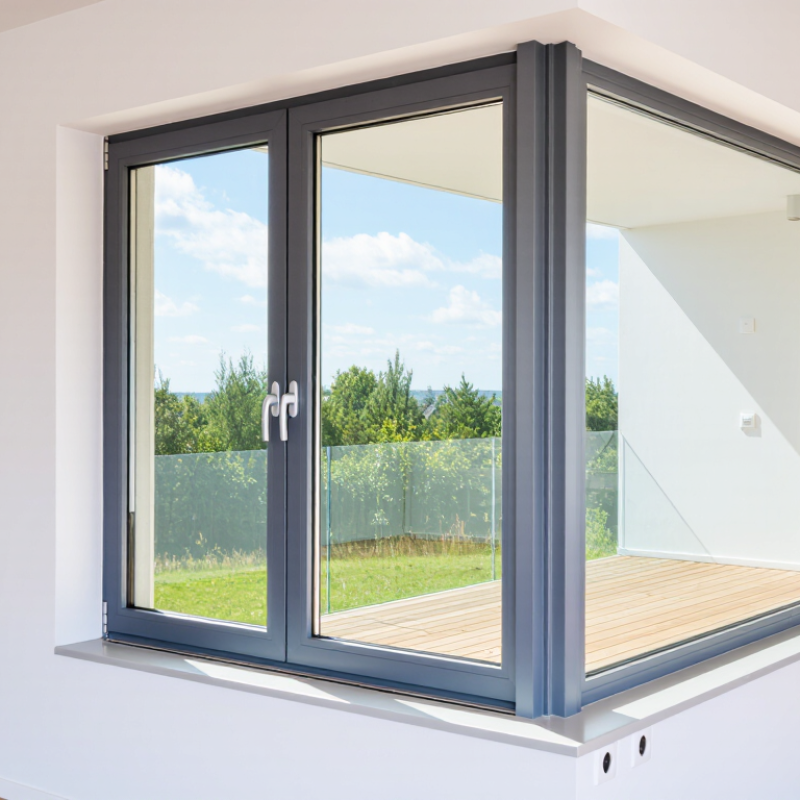
Top Aluminum Casement Windows Manufacturers and Suppliers

What Are Aluminum Casement Windows?

Aluminum casement windows are side-hinged windows that open outward with a crank or handle. Their sash moves like a narrow door, creating a clear opening for ventilation. The frame uses aluminum, a lightweight metal with strong resistance to warping, insects, and moisture. This makes it practical for modern homes and commercial buildings.

A quality casement window usually includes insulated glass, durable weather seals, and a multi-point locking system. Thermal breaks can reduce heat transfer through the metal frame. This detail matters in both hot and cold climates. When the sash closes, the seals should meet evenly without visible gaps. A simple hand check can reveal poor alignment.

Installation experience also affects performance. Incorrect measurements may cause drafts, difficult operation, or water leakage during heavy rain. Professional installers should check the wall opening, sill slope, fasteners, and drainage paths. Aluminum is durable, but it is not perfect. Low-quality finishes may fade or scratch, especially near saltwater. Large sashes can also feel heavy in strong wind. Buyers should compare frame thickness, glass specifications, air leakage ratings, and warranty terms. These details often matter more than appearance alone. A quiet handle and smooth closing action are useful signs. Still, one showroom sample cannot prove long-term performance. Examine the product carefully.

Key Features and Benefits of Aluminum Casement Windows

Aluminum casement windows combine slim frames with outward-opening sashes. This design creates a wide ventilation path and clearer sightlines. Their strong metal sections support large glass panels without bulky profiles. Properly finished aluminum also resists corrosion, moisture, and daily ultraviolet exposure. Thermal breaks matter. They separate interior and exterior aluminum, reducing heat transfer through the frame.

The U.S. Department of Energy reports that windows can represent 25–30% of residential heating and cooling energy use. Therefore, frame design alone cannot guarantee efficiency. Look for tested U-factor, solar heat gain coefficient, air leakage, and visible transmittance values. The National Fenestration Rating Council explains these ratings through standardized product labels. Casement compression seals can improve air tightness when installation is accurate. Yet poor fitting can weaken performance. This is often underestimated.

Tips: Compare complete window-system data, not glass claims alone. Ask suppliers for NFRC ratings and test evidence under recognized fenestration standards. Choose low-emissivity insulating glass for colder rooms or strong afternoon sun. Check hinge quality, drainage paths, and hardware corrosion resistance. A lower price may hide thinner sections or weaker seals. Small details matter. Real projects also need site-specific review, because coastal air, wind exposure, and installation tolerances change the result.

How to Evaluate Manufacturers and Suppliers

When evaluating aluminum casement window manufacturers, inspect more than product photos. Ask how they control frame thickness, corner joints, drainage paths, and hardware alignment. A reliable factory should provide technical drawings, material grades, test reports, and clear performance limits. Check whether those documents match the actual window sample.

Visit the production site if possible. Watch how workers cut profiles, apply finishes, and check dimensions. A digital inspection record is useful, but a hands-on review reveals practical habits. Request samples with the same glass, finish, and hardware specified for your project. Measure the sash, gasket contact, and locking force yourself. Small gaps can create costly problems later.

Supplier evaluation also depends on communication. Ask for a detailed quotation, production schedule, packaging method, and replacement policy. Contact recent customers and ask about delivery accuracy, damage rates, and after-sales response. A low price may hide weak packaging or inconsistent tolerances. That deserves caution. I would also test a small order before approving a large contract. This step may slow the project, yet it exposes weaknesses early. No evaluation method is perfect; even a careful audit can miss seasonal quality changes or subcontracted work. Keep written records, revisit assumptions, and compare promised performance with delivered windows.

Leading Regions and Supplier Types in the Industry

Aluminum casement window sourcing changes sharply by region. European manufacturers often emphasize slim profiles, thermal breaks, and strict energy testing. Many operate integrated factories, combining extrusion, powder coating, glazing, and hardware assembly. North American suppliers commonly serve custom residential and commercial projects. They may rely on regional fabricators for faster delivery and installation support. Asia-Pacific has a broad supplier base. Large exporters often provide competitive production capacity, but quality control varies. That difference matters.

Supplier type should match the project’s risk and scale. Original equipment manufacturers suit repeat orders and standardized specifications. Specialized fabricators are more useful for unusual openings, heritage renovations, or coastal exposure. Distributors can simplify local purchasing, replacement parts, and service coordination. Project-focused contractors may manage measurement, installation, drainage, and field adjustments. Ask for test reports, section drawings, finish samples, and written warranty terms. Check who handles damaged glass or failed hardware.

From supplier reviews, I have learned that polished catalogs prove very little alone. Factory audits, sample inspections, and references from completed buildings provide stronger evidence. One supplier may quote lower, yet add weeks through custom tooling or unclear glazing approvals. I have also seen buyers overvalue profile thickness while ignoring installation tolerances. That judgment can be costly. Regional climate should guide the final comparison. In humid coastal areas, verify corrosion protection and drainage design. In colder zones, examine thermal breaks, air leakage, and condensation performance. Requirements vary, and some published claims deserve closer questioning.

Important Factors When Selecting a Supplier

Top Aluminum Casement Windows Manufacturers and Suppliers

Important Factors When Selecting a Supplier

When selecting a supplier for aluminum casement windows, look beyond catalog photos. Site performance depends on details that photographs hide. Ask for the alloy grade, wall thickness, thermal-break design, and finish specifications. Request test reports for air leakage, water resistance, wind pressure, and repeated opening cycles. Reports should identify standards, dates, laboratories, and tested configurations. Independent verification matters.

Factory capability also affects reliability. Review production samples, corner joints, drainage paths, gasket seating, and hardware alignment. A dependable supplier can explain how defects are recorded and corrected, rather than merely promising quality. Ask whether replacement parts remain available after installation. Confirm minimum order quantities, delivery windows, packaging methods, and procedures for damaged frames. Small details save projects. Sometimes, a polished sample conceals inconsistent batch control. Request a recent reference project and speak with the installer, if possible.

Commercial terms deserve equal scrutiny. Compare warranty coverage for profiles, coating, glass, seals, and hardware separately. Clarify exclusions, coastal corrosion provisions, color variation, and labor responsibilities. Do not accept a long warranty without a practical claims process. Ask for written tolerances and installation guidance. One uncomfortable question is useful: what happens when the supplier misses a deadline? The answer reveals operational maturity. Price still matters, but the cheapest quotation may create adjustment work, callbacks, and replacement costs. Allow room for doubt. Test them. Good selection requires evidence, not confidence alone.

FAQS

What documents should a window supplier provide?

Request technical drawings, material grades, test reports, finish samples, and written warranty terms. Check every document against the physical sample.

How can I inspect a factory properly?

Watch profile cutting, surface finishing, glazing, and dimensional checks. A digital record helps. Hands-on inspection reveals more.

What should I measure on a sample window?

Measure sash dimensions, gasket contact, frame thickness, drainage paths, and locking force. Small gaps matter.

Why should I test a small order first?

A trial order can reveal weak packaging, poor tolerances, or delayed production. It may slow the project. That delay can prevent larger losses.

How should I compare different supplier types?

Manufacturers suit repeat orders and fixed specifications. Specialized fabricators suit unusual openings or renovation work. Distributors may simplify local replacement service.

Which regional factors affect supplier selection?

Coastal projects need corrosion protection and effective drainage. Cold climates require thermal breaks, low air leakage, and condensation control. Climate changes the comparison.

What should a detailed quotation include?

Ask for prices, glass details, hardware, production dates, packaging, delivery terms, and replacement procedures. Unclear glazing approvals can add weeks.

Are online reviews and catalogs enough?

No. Request references from completed buildings and inspect delivered samples. A polished catalog proves little alone. I might still miss seasonal quality changes or subcontracted work. Keep written records.

Conclusion

Aluminum Casement Windows are side-hinged windows designed to open outward, providing excellent ventilation, clear views, and efficient use of space. Their aluminum frames offer strength, durability, corrosion resistance, and a modern appearance, while advanced thermal breaks, insulated glass, and reliable sealing systems can improve energy efficiency, weather protection, and indoor comfort. These windows are suitable for residential, commercial, and renovation projects that require long-lasting performance and flexible design options.

When evaluating manufacturers and suppliers, buyers should consider product quality, frame construction, hardware reliability, customization capabilities, production standards, delivery capacity, and after-sales support. The industry includes regional factories, specialized window manufacturers, building-material distributors, and project-based suppliers. Selecting the right partner also requires comparing certifications, testing data, warranty terms, communication efficiency, pricing transparency, and the supplier’s experience with local climate and installation requirements. A dependable supplier should provide consistent quality, clear technical documentation, and solutions that match the project’s budget, performance goals, and design expectations.

Ethan

Ethan

Ethan is a professional marketing specialist dedicated to helping customers better understand our company’s products, services, and industry expertise. With a strong background in market research, content strategy, and customer communication, he combines technical knowledge with clear, practical......