CE Certified Frosted Glass Factory & Exporters Serving Indonesia

Architectural-Grade Acid-Etched, Ceramic Frit & Sandblasted Privacy Glass Engineered for Tropical Climates, Luxury Hospitality & Urban Developments Across Jakarta, Bali & Surabaya

Factory Direct Export Range

CE Certified Architectural Window & Glass Systems for Indonesian Specifiers

Engineered for high structural stability, intense UV resistance, and superior tropical thermal insulation. Fully compliant with European CE standards and certified for export to Indonesian commercial & residential developments.

Soundproof Energy Saving Swing Double Glazing Triple Glazed Aluminum Casement Windows

Soundproof Energy Saving Double & Triple Glazed Casement Windows

Precision thermal-break aluminum frame integrated with obscure acoustic glazed panes for luxury apartments & passive villas.

  • Frame Profile: 67T / 78T Thermal Break
  • Acoustic Rating: Rw up to 42 dB
  • Glazing Type: Low-E Argon Double/Triple

Contact Us
Modern Soundproof UPVC Casement Windows Double Glazed Energy Saving PVC Window

Modern Soundproof UPVC Double Glazed Residential Casement Windows

EU Standard vinyl window system engineered for high moisture environments, offering extreme UV stabilization and coastal anti-corrosion.

  • Profile Material: UV-Stabilized UPVC
  • Glass Build-Up: 5mm Tempered + 12A + 5mm
  • Weathering: Tropical Grade Class A
Contact Us
Slim Frame Aluminum Casement Window Stainless Steel Double Glass Thermal Break

Slim Frame Minimalist Aluminum Swing Window with Frosted Double Glass

High-end architectural casement profile with ultra-narrow sightlines, concealed German hinges, and custom frosted privacy glazing.

  • Sightline: Ultra-Slim 38mm Profile
  • Hardware: German G-U / Stainless Steel
  • Privacy Rating: Custom Translucency (10-80%)
Contact Us
Beigeman Modern Double Glazed Aluminium Casement Windows High Quality Soundproof

Beigeman Series Commercial Architectural Tempered Glass Casement Windows

Heavy-duty aluminum fenestration system designed for boutique hotels, villa kitchens, and modern resort master suites.

  • Glass Certification: CE EN 12150 Tempered
  • Wind Load: Up to 5.0 kPa (Category 5)
  • Finish: Fluorocarbon Powder Coat
Contact Us
Heavy Duty 86 Series Aluminum Casement Window Large Section 798 Type Window Frame

Heavy Duty 86 Series Large Section Architectural Aluminum Casement System

Reinforced 798-type structural frame engineered for large span openings, high-rise wind loads, and heavy privacy glass units.

  • Wall Thickness: 2.0mm Heavy Duty Alloy
  • Structural Mullion: High Interlock Resistance
  • Application: High-Rise Towers & Coastline
Contact Us
DERCHI Custom Made Design Energy Efficient Soundproof Double Glazed Aluminum Casement Window

DERCHI Bespoke Custom Energy-Efficient Double Glazed Frosted Window

Fully customizable architectural window system with integrated satin-etched frosted glass for maximum daylighting and privacy control.

  • Thermal Break: Polyamide PA66 Strip
  • U-Factor: 0.28 BTU/h·ft²·°F
  • Customization: Bespoke Dimensions & Colors
Contact Us
Double Glazed Aluminum Alloy Swing Casement Window Thermal Break System

Tropical High-Performance Thermal Break Swing Window with Obscure Glass

Engineered specifically to prevent heat transfer in tropical climates while providing zero-maintenance privacy for residential villas.

  • Sealing System: Triple EPDM Gaskets
  • Glass Finish: Fingerprint-Resistant Satin
  • Infiltration: Air & Water Tight Class 4
Contact Us
Rogenilan Aluminum Double Glass Casement Window Triple Glaze Tilt Turn or Awning

Rogenilan Series Multi-Function Dual-Action Tilt & Turn Frosted Window

Versatile European hardware platform allowing top-tilting security ventilation or full inward swing with integrated stainless mesh screen.

  • Operation Mode: Dual Action Tilt & Swing
  • Screening: Invisible Mesh / Stainless Steel
  • Glass Thickness: Up to 38mm Double/Triple
Contact Us
White Paper Analysis

Architectural Frosted Glass Procurement for the Indonesian Market: Technical & Climatic Engineering

As Indonesia experiences unprecedented urban expansion across the Greater Jakarta Metropolitan Area (Jabodetabek), major commercial additions in Surabaya, and a booming luxury hospitality sector in Bali and Lombok, architectural fenestration and specialized glass specifications have evolved rapidly. Modern Indonesian architectural design emphasizes seamless integration of natural equatorial daylighting while mitigating intense solar heat gain, tropical UV degradation, ambient urban noise, and visual privacy requirements in high-density developments.

For architectural specifiers, master developers, and general contractors, importing direct from a CE Certified Frosted Glass Factory ensures strict adherence to international safety, thermal, and optical tolerances. This technical white paper examines the engineering parameters of high-performance frosted glass panels—encompassing acid-etched satin glass, sandblasted privacy panels, ceramic frit spandrels, and smart switchable interlayers—specifically manufactured to withstand Indonesia's challenging equatorial climate (high relative humidity, high ambient salinity in coastal regions, and extreme UV exposure).

Key Information Gain for Indonesian Specifiers & Buyers:

Unlike standard clear float glass, structural frosted glass engineered for tropical export utilizes high-purity silica sand with customized chemical acid-etching or ceramic enameling. This process yields a permanent, non-degrading surface texture that maintains high Visible Light Transmittance (VLT) while diffusing direct solar glare and achieving customized Sound Transmission Class (STC) acoustic reduction when integrated into double-glazed thermal break assemblies.

CE & ISO Certified Compliance
Rw 42dB Max Acoustic Attenuation
92% VLT Optimal Diffusion Range
30+ Yrs Tropical Service Life

Localized Application Scenarios in Indonesian Architecture

Building in Indonesia requires an understanding of localized microclimates and regional architectural topologies. Our factory specializes in tailoring processing parameters, glass substrates, and edge treatments to meet these distinct regional applications:

1. High-Rise Commercial & Residential Towers in Jabodetabek

In densely populated metropolitan centers like South Jakarta and BSD City, privacy between adjacent residential towers and commercial office facades is paramount. Acid-etched frosted double-glazed curtain walls allow natural sunlight to penetrate deep into floor plates while obstructing direct sightlines. Furthermore, when combined with low-emissivity (Low-E) pyrolytic coatings and argon gas filling, these units significantly drop HVAC cooling loads caused by intense tropical solar exposure.

2. Luxury Hospitality & Oceanfront Eco-Resorts in Bali & Lombok

Tropical resort design in places like Uluwatu, Seminyak, and Mandalika emphasizes indoor-outdoor flow, open-air spa enclosures, and luxury bathroom partitions. Standard frosted films degrade rapidly under intense maritime UV rays and high moisture. Our direct-factory acid-etched tempered glass provides a permanent, chemical-resistant, smudge-proof satin surface that withstands daily exposure to humidity, saltwater air, and mineral cleaning agents without yellowing or peeling.

3. Healthcare Facilities & Medical Hubs in Surabaya & Medan

Modern clinical architecture demands non-porous, ultra-hygienic surfaces that maintain patient privacy. Our CE-certified smooth acid-etched glass lacks the micro-porosity of traditional sandblasted glass, preventing fingerprint oils, bacteria, and dust accumulation. It can be easily disinfected with medical-grade cleaners, making it ideal for ICU viewing corridors, consultation room dividers, and cleanroom access doors.

Engineering Matrix: Frosted Glass Manufacturing Technologies Compared

To assist Indonesian architectural specifiers in selecting the correct material specification, the data visualization table below outlines the primary manufacturing methodologies for translucent architectural glass, evaluated against key performance indicators for tropical deployment:

Processing Method Visible Light Transmittance (VLT) Surface Texture & Maintenance UV & Moisture Resistance Tempering & Safety Compliance Recommended Applications
Acid-Etched Satin Glass 75% – 89% (High Light Diffusion) Ultra-smooth, non-porous; highly resistant to fingerprints & staining 100% UV stable; immune to tropical humidity degradation CE EN 12150-1 Fully Tempered / EN 14449 Laminated Curtain walls, luxury wet rooms, exterior window assemblies
Sandblasted Glass 60% – 80% (Coarse Matte) Micro-porous surface; requires protective hydrophobic sealing coating High UV resistance; requires sealant maintenance in moist zones Fully Heat Tempered prior to or after blasting Interior partitions, balustrades, decorative signage graphics
Ceramic Frit Glass 10% – 60% (Customizable) Fired ceramic enamel fused into glass matrix at 680°C Permanent inorganic color stability; extreme scratch resistance Heat Strengthened or Fully Tempered Facade spandrel panels, solar shading louvers, mechanical screens
Frosted PVB Laminated 50% – 70% (Translucent Interlayer) Smooth outer float glass faces; internal PVB/EVA obscure film High UV blockage (>99% UV radiation cut off); moisture-sealed edges EN ISO 12543 Structural Laminated Safety Glass Overhead skylights, acoustic boardrooms, earthquake-resistant partitions
Indonesian Market Trends

Alignment with Green Building Council Indonesia (GBCI) Standards

Indonesia's national push toward sustainable urban infrastructure—promoted through the GREENSHIP Rating System by GBCI and Ministerial Regulations on Green Buildings—has elevated the technical performance requirements for imported architectural glass.

By importing factory-direct double-glazed frosted units with Low-E coatings, developers earn critical points in Energy Efficiency & Conservation (EEC) and Indoor Health & Comfort (IHC). The controlled translucency reduces artificial lighting needs during peak daytime hours while dampening radiant heat transfer (reducing Overall Thermal Transfer Value - OTTV of building envelopes in Jakarta).

  • OTTV Optimization: SHGC values tuned down to 0.25 for tropical efficiency.
  • Daylight Autonomy: Soft scattered light eliminates harsh interior glare.
  • Seismic Resilience: Laminated obscure units absorb structural inter-story drift.
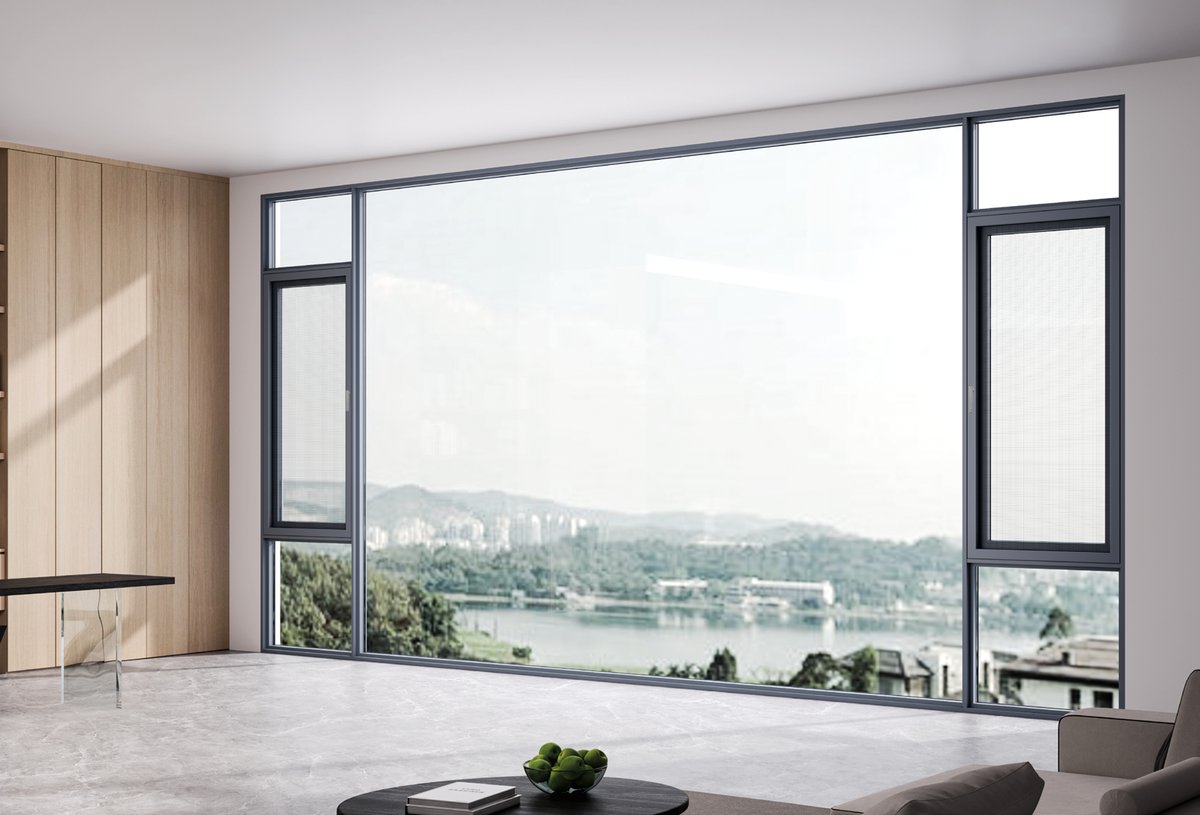
Thermal Break Aluminum Casement Windows with Architectural Glass Installed in Luxury Residence
Factory Advantage

Why Leading Indonesian Importers Partner with Our Processing Plant

With state-of-the-art automated CNC glass fabrication machinery, chemical acid-etching tanks, forced-convection tempering furnaces, and multi-layer laminating cleanrooms, our factory directly controls quality at every stage.

Advanced Automated CNC Fabrication

Every pane is processed using automated edge polishing, CNC corner radius cutting, and laser-guided hole drilling to ensure exact alignment with structural spider fittings, patch locks, and aluminum window sash profiles (tolerance ±0.5mm).

CE, ISO & International Certifications

Our frosted glass products undergo rigorous testing according to European standards: EN 12150-1 (Impact fragmentation test for toughened glass), EN 14449 (Laminated safety testing), and EN 1279 (Insulating glass seal durability). Test certificates accompany every shipping container.

Maritime Packaging for Indonesian Ports

Long sea voyages across equatorial waters present extreme humidity risks. We pack custom orders in heavy-duty, fumigated wooden A-frame crates with vacuum-sealed plastic wrapping, desiccants, and anti-fungal interlayers—ensuring zero water staining upon arrival at Tanjung Priok (Jakarta), Tanjung Perak (Surabaya), or Belawan (Medan).

Procurement Guide

Frequently Asked Questions for Indonesian Buyers & Importers

Clear, technical answers to common questions raised by architects, procurement directors, and customs brokers importing CE certified frosted glass into Indonesia.

Does CE certification satisfy Indonesian building code compliance and SNI standards?

Yes. CE certification (specifically EN 12150 for safety tempered glass and EN 14449 for laminated glass) is globally recognized for structural integrity and safety. In Indonesia, while specific projects may request SNI (Standar Nasional Indonesia) registration for local market distribution, major commercial developers and international architectural firms accept European CE test reports provided by accredited third-party laboratories (such as Intertek or TUV) for project-specific submittals.

How does acid-etched frosted glass perform in high-humidity tropical conditions like Bali or Jakarta?

Acid-etched frosted glass performs exceptionally well in tropical environments. Unlike applied frosted vinyl films—which peel, bubble, and discolor under intense heat and humidity—acid etching permanently alters the molecular surface of the glass float pane. It is completely immune to moisture, salt spray, mold growth, and high temperatures, requiring only standard glass cleaner to maintain its appearance indefinitely.

What are the recommended HS Codes and customs considerations for importing into Indonesia?

Frosted architectural glass is typically classified under HS Code 7007.19 (Toughened/Tempered Safety Glass) or HS Code 7007.29 (Laminated Safety Glass). When exporting to Indonesia, we provide complete shipping documentation including the Commercial Invoice, Packing List, Bill of Lading, Certificate of Origin (Form E if applicable under trade agreements), and CE Test Certificates to facilitate smooth customs clearance at Tanjung Priok or Tanjung Perak.

Can your factory supply custom insulated glass units (IGU) combining frosted glass with Low-E coatings?

Absolutely. Our automated double-glazing lines frequently combine an outer pane of acid-etched frosted safety glass with an inner pane of high-performance Low-E coated glass, separated by an aluminum or warm-edge composite spacer filled with 90% Argon gas. This build-up delivers optimal privacy, high interior light diffusion, and an exceptionally low U-factor and SHGC to drastically cut air conditioning expenses.

What is the Minimum Order Quantity (MOQ) and typical delivery lead time for FCL orders to Indonesia?

Our standard export MOQ is one 20-foot Full Container Load (20' FCL) to optimize ocean freight economics, which holds approximately 2,000 to 2,500 square meters depending on glass thickness (4mm to 12mm). Production lead time is typically 15 to 20 business days after CAD shop drawing sign-off, with sea transit from our port to Tanjung Priok (Jakarta) taking approximately 7 to 12 days.

How are glass breakage and quality guarantees managed for international shipments?

All export containers are loaded with specialized A-frame wood crates engineered to withstand dynamic sea transportation forces. In the rare event of transit damage, all shipments are covered under comprehensive Marine Cargo Insurance (All Risks CIP/CIF terms). Any factory defects or transit breakages reported upon container unloading are prioritized and re-manufactured immediately for replacement.

Partner with a Leading CE Certified Glass Exporter Today

Request factory-direct wholesale pricing, technical glass datasheets, or custom CAD shop drawing reviews for your upcoming architectural projects in Indonesia.

Contact Us