Featured Patio Door Systems for Nagoya Projects
Custom-engineered thermal-break aluminum and UPVC opening systems optimized for structural integrity, earthquake resilience, and seismic displacement tolerance across Aichi Prefecture.

Soundproof Double/Triple Glazed Casement Patio Door
Engineered for luxury Nagoya residential projects and Passive House builds requiring maximal acoustic isolation against urban transit and Mikawa-oroshi winter winds.
- Thermal Break: PA66-GF25 Polyamide
- Acoustic Rating: STC 42 dB Reduction
- Glazing: 6mm Low-E + 12A Argon + 6mm

Heavy-Duty UPVC Thermal Patio French Door System
High-density multi-chamber vinyl hybrid frame providing ultimate thermal insulation and extreme condensation resistance during Nagoya’s humid summer and chilly winter shifts.
- Frame Profile: Multi-Chamber UPVC
- Hardware: German Siegenia Multi-Lock
- U-Factor: 0.19 BTU/h·ft²·°F

Minimalist Slim-Frame Aluminum Patio Swing Door
Ultra-narrow sightline architectural entry door incorporating heavy-duty stainless steel pivot hinges. Designed to blend modern aesthetics with Japanese interior spatial flow.
- Sightline: 18mm Ultra-Slim Profile
- Alloy: 6063-T6 High Tensile Aluminum
- Glass Type: Tempered Safety Double IGU

Beigeman Commercial Grade High-Acoustic Patio Door
Precision-manufactured double glazed patio system built for Nagoya boutique hotels, commercial retreats, and suburban villa developments exposed to heavy rain loads.
- Wind Load: 3.0 kPa (JIS S-7 Standard)
- Water Tightness: 500 Pa (JIS W-5 Rated)
- Corner Joint: Injection Molded Corner Cleat

Heavy Duty 86 Series Reinforced Patio Door Frame
Large structural section aluminum extrusion designed for wide span openings. Supports oversized glass leaves while retaining high structural rigidity during seismic events.
- Profile Depth: 86mm System Depth
- Wall Thickness: 2.0mm Heavy Structural
- Finishing: Fluorocarbon PVDF Powder Coating

DERCHI Bespoke Thermal Break Patio Sliding Door
Custom-tailored patio entrance platform offering smooth glide tracks, heavy-duty tandem rollers, and multi-point locking mechanisms customized to exact CAD opening schedules.
- Customization: 100% Bespoke Sizing (±1mm)
- Track System: Dual/Triple Stainless Steel Rail
- Gasket: Continuous Automotive EPDM

Thermal Break Architectural Villa Patio Swing System
High-performance double-glazed hinged exterior patio door engineered for seamless garden transitions, featuring zero-threshold flush sub-frames for accessible living.
- Threshold: Flush ADA Barrier-Free Drain
- Locking: 5-Point Directional Security
- Air Infiltration: <0.1 cfm/ft² Tested

Rogenilan Multi-Tilt & Turn Patio Door with Flyscreen
Dual-action European tilt-and-turn patio exit door integrated with high-durability stainless steel mesh flyscreens, perfect for Nagoya residential balcony access.
- Operation: Inward Tilt + 180° Swing
- Screen Mesh: 304 Stainless Anti-Corrosion
- Hardware: German GU / G-U Gearing
Navigating the Nagoya Fenestration Market: Technical Demands for Patio Doors
As Japan’s third-largest economic hub and the industrial heartland of the Chubu region, Nagoya presents a unique intersection of stringent structural standards, extreme climatic variance, and sophisticated architectural expectations. For real estate developers, general contractors (Zenecon), architectural specifiers, and building material importers sourcing patio doors into Aichi Prefecture, off-the-shelf fenestration solutions fail to meet local compliance.
Nagoya’s climate fluctuates from intensely hot, humid summers driven by Pacific air masses to freezing winter days dominated by the infamous Mikawa-oroshi—dry, icy gusts blowing down from the Ibuki and Suzuka mountain ranges. Furthermore, the region’s location along the Nankai Trough earthquake zone mandates that any fenestration assembly—especially large-span patio doors, bi-fold systems, and multi-track sliding panels—must demonstrate exceptional inter-story drift capacity without compromising air-tightness or structural integrity.
Typhoon & Wind-Pressure Resistance
Nagoya experiences heavy rainfall and high wind pressure during the annual Pacific typhoon season. Our patio door extrusions utilize high-tensile 6063-T6 aluminum alloys engineered to withstand wind loads up to 3,000 Pa (equivalent to JIS A 4702 S-7 standards), preventing frame deflection and joint fatigue.
Seismic Drift & Structural Flexibility
To comply with Japanese Building Standard Law (Kenchiku Kijun-hō) for seismic resilience, our frame anchoring systems incorporate engineered structural expansion gaps and dynamic EPDM gaskets that absorb lateral building movement during tremors without shattering glass units.
Advanced Thermal Insulation (Low-U)
Addressing Japan’s Next-Generation Energy Standards (ZEH - Net Zero Energy House), our patio doors feature 24mm to 34mm PA66-GF25 polyamide thermal barriers combined with Low-E argon-filled IGUs, reducing thermal transmittance U-values down to ≤ 1.3 W/m²K.
Architectural Integration Across Greater Nagoya
Whether specifying fenestration for high-density luxury residential apartments in Nagoya’s Naka-ku and Higashi-ku, or expansive suburban residences in Hoshigaoka and Yagoto, patio door selections must align with both space utilization and strict acoustic control.
1. Urban High-Rise Balcony Access: In dense city residential towers, exterior noise pollution from the Meitetsu Railway, Shinkansen corridors, and Nagoya Expressway requires superior acoustic damping. Our double and triple-glazed lifting sliding doors provide up to 42 dB sound attenuation, ensuring serene interior living spaces.
2. Waterfront & Commercial Hospitality: Properties located along Nagoya Bay or near the Chubu Centrair International Airport corridor face relentless salt-laden moisture. Our hardware and profiles undergo 2,000-hour neutral salt spray (NSS) testing and feature anodized or fluorocarbon PVDF coatings to guarantee corrosion resistance for decades.
3. Modern Machiya Renovations: Integrating contemporary thermal break patio doors into traditional wooden Japanese structures requires ultra-slim frame profiles with customized interior timber-look powder finishes (such as Japanese Cedar or Hinoki grain sublimation) combined with high-security multi-point locking hardware.
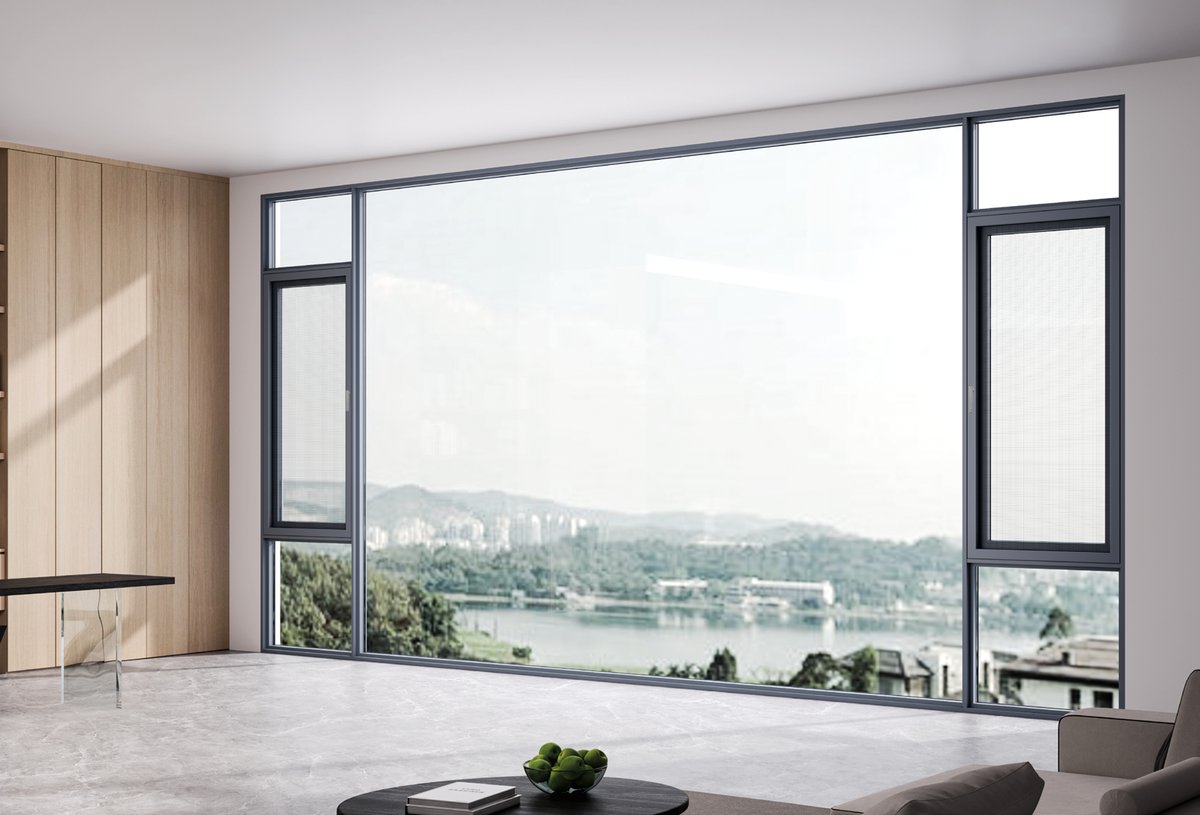
Patio Door Performance Matrix vs. JIS Standards
Below is an authoritative engineering matrix detailing our patio door performance metrics against official Japanese Industrial Standards (JIS A 4702) for commercial and residential construction in Nagoya.
| Performance Indicator | JIS Standard Test Method | Boutique Patio Door Specification | Engineering Benefit for Nagoya Market |
|---|---|---|---|
| Wind Pressure Resistance | JIS A 1515 (Grade S-1 to S-7) | Grade S-7 (3,000 Pa / 60 psf) | Resists category-4 typhoon gusts without permanent frame deformation. |
| Air Tightness | JIS A 1516 (Grade A-1 to A-4) | Exceeds Grade A-4 (<0.5 m³/h·m²) | Prevents severe energy loss during Mikawa-oroshi winter winds. |
| Water Tightness | JIS A 1517 (Grade W-1 to W-5) | Grade W-5 (500 Pa Continuous) | Zero water penetration during monsoon rainstorms with horizontal wind force. |
| Acoustic Insulation | JIS A 1416 (Grade T-1 to T-4) | Grade T-3 to T-4 (STC 38–42 dB) | Blocks high-frequency urban traffic, rail noise, and regional industrial sounds. |
| Thermal Transmittance (U-Value) | JIS A 4710 (Thermal Resistance) | 1.1 – 1.4 W/m²K (Low-E Argon) | Meets ZEH (Zero Energy House) thermal efficiency standards across Aichi. |
| Frame Alloy Grade | JIS H 4100 (Alloy Extrusion) | 6063-T6 Architectural Grade | High yield strength with optimized structural rigidity for oversized patio panels. |
Why Nagoya Importers & Contractors Partner With Us
Navigating international supply chains requires a manufacturing partner who understands both precision production and rigid export logistics. As an established global patio doors manufacturer, we provide end-to-end engineering support tailored for the Japanese import sector.
300+ Tons Profile Stock
We maintain an active raw extrusion inventory of over 300 metric tons of thermal-break aluminum profiles. This inventory cushion allows us to initiate custom production runs immediately upon shop-drawing approval, cutting lead times to Nagoya Port down to 20–25 days.
German & Premium Hardware Integration
Our patio door platforms seamlessly accommodate elite hardware systems including German G-U (Gretsch-Unitas), Siegenia, Hoppe, and HK Kinlong. Heavy-duty multi-point locking gear guarantees effortless one-touch sliding performance for panels weighing up to 400 kg.
Rigorous Factory QC & Pre-Assembly
Every patio door unit undergoes 100% pre-assembly inspection in our factory before crating. We verify frame squareness to within ±0.5mm, test water drain sub-channeling, and inspect glass sealant beads to eliminate site installation punch-list delay in Japan.
Frequently Asked Questions for Nagoya Importers & Specifiers
Partner with a Leading Patio Doors Manufacturer for Nagoya Projects
Request a comprehensive technical evaluation, shop drawing support, or factory-direct price quotation for your upcoming residential, commercial, or hospitality developments across Aichi Prefecture and the Chubu region.
Send an Inquiry